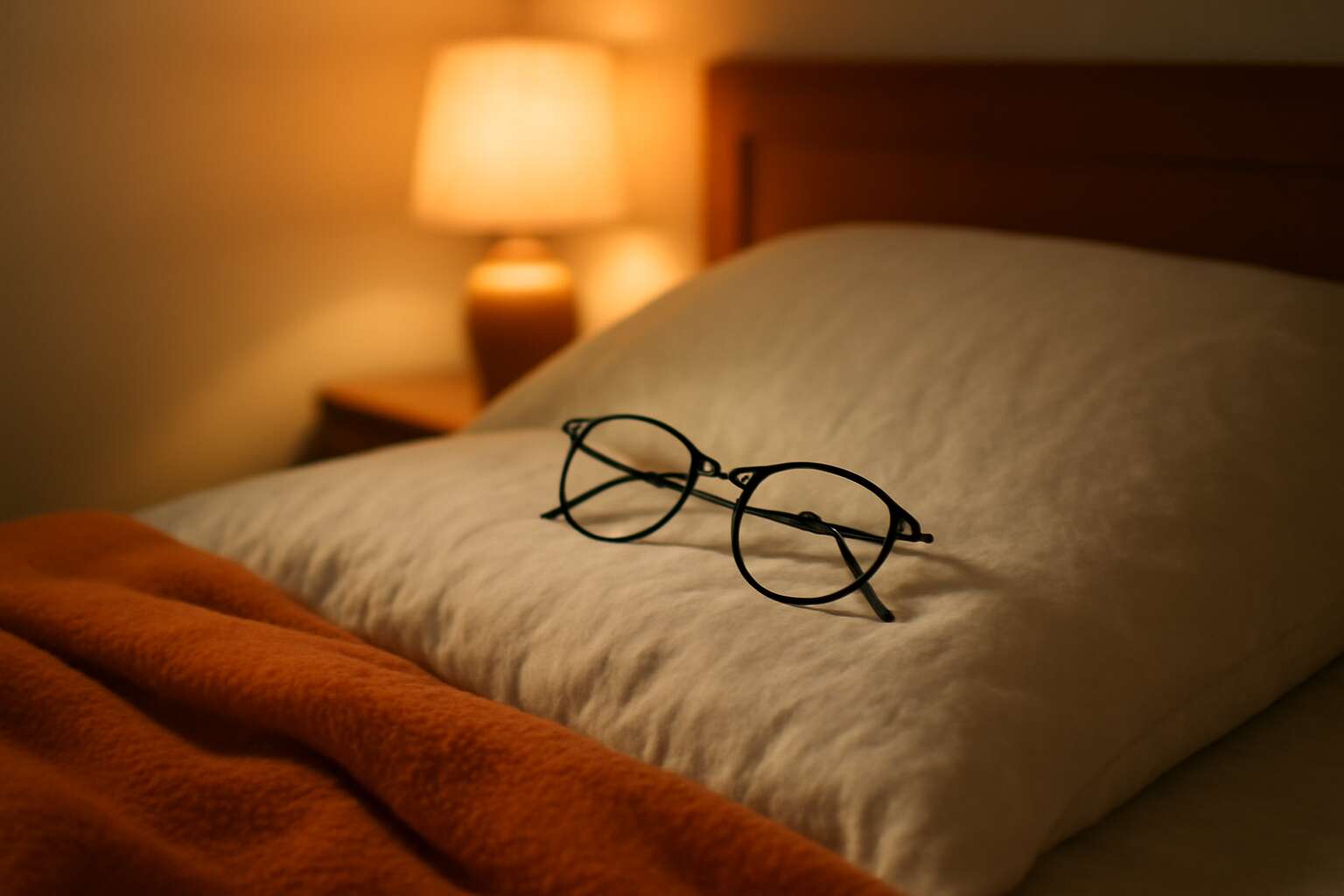
What are prescription glasses you can sleep in
What makes them sleep-friendly
Across South Africa, a surprising 1 in 4 adults report eye discomfort after long days of screens, fueling interest in sleep-friendly eyewear: prescription glasses you can sleep in are not a gimmick; they’re designed to stay safely on while you rest, providing continuous correction and less eye strain come morning.
What makes them sleep-friendly is a careful blend of lightweight frames, skin-friendly materials, and smooth, rounded edges. I’ve seen patients report mornings with less eyelid irritation after trying a pair with soft nose pads and a snug, breathable fit. For those exploring options, prescription glasses you can sleep in typically emphasize gentle touch points and non-porous coatings.
- Low-profile, lightweight frames for all-night wear
- Flexible hinges and silicone nose pads to prevent pinching
- Hypoallergenic materials with rounded edges to minimize irritation
Safety considerations for overnight wear
Across South Africa, roughly 1 in 4 adults report eye discomfort after long screen days, a reminder that sleep-friendly eyewear matters. So what exactly are prescription glasses you can sleep in? They’re designed to stay settled on your face through the night, delivering continuous correction without tugging at lids and helping you wake with clearer vision.
Safety considerations for overnight wear matter. For many, the appeal of prescription glasses you can sleep in lies in the ease they bring to nocturnal routines. A design that prioritizes comfort and compatibility with sleep, plus professional guidance on long-term wear, keeps mornings feeling fresh.
- Secure, gentle fit to avoid pressure points
- Skin-friendly materials with rounded edges
- Easy-to-clean coatings that resist moisture
- Professional guidance on overnight wear duration
Common lens types suitable for overnight wear
One in four adults in South Africa wake up with eye discomfort after long screen days. Prescription glasses you can sleep in offer a practical solution, staying settled on your face through the night and delivering steady correction without tugging at lids. You wake with clearer vision and less morning fog. This category blends everyday utility with the ease of a nocturnal routine.
Common lens types suitable for overnight wear include:
- Single-vision lenses in lightweight polycarbonate or Trivex for comfort and durability
- High-index lenses for stronger prescriptions that stay slim and unobtrusive
- Lenses with anti-fog and moisture-resistant coatings to keep clarity through the night
These options reflect a practical approach to vision while you rest. For those weighing options, prescription glasses you can sleep in offer a gentle balance of weight, strength, and nightly stability.
Who should consider them
In the hush of South Africa’s night, your gaze can still sharpen. What are prescription glasses you can sleep in? They are lightweight nocturnes—glasses built to stay snug through the hours of darkness, with lenses cut to your exact prescription so you wake with steadier sight. Imagine a ritual where the morning fog lifts rather than thickens, a quiet tether between dream and dawn.
Who should consider them? If any of these shadows describe your nights, they may be for you.
- Long screen days and morning blur
- Irregular sleepers or frequent travelers across time zones
- Desire for steady correction without swapping to daytime frames
- Light prescriptions seeking a quiet, snug nightly fit
Limitations and myths about sleeping with glasses
What are prescription glasses you can sleep in? They’re lightweight, snug frames with lenses ground to your exact prescription, designed to stay comfortable through the night and wake you to steadier sight.
They aren’t a cure-all; some prescriptions, conditions, or lens types don’t benefit from overnight wear. You might notice morning haze, slight discomfort if the fit is off, or issues with dryness. The goal is gentle correction that supports sleep routines rather than perfect daytime vision while snoozing.
- Myth: They permanently fix eyesight—no!
- Myth: Any frame will do—opt for sleep-friendly shapes that sit lightly and don’t press on the lids.
- Reality: Proper fit, appropriate lens material, and respecting wear limits maximise comfort.
Consultation with an optometrist guides suitability, and many South African sleepers appreciate smoother mornings when a sleep-friendly prescription aligns with their routine.
Benefits and considerations of sleeping in prescription glasses
Improved convenience for overnight routines
Sharper mornings start with the right night routine! In South Africa, prescription glasses you can sleep in promise clearer vision on wake-up and fewer pre-work hassles. They’re the kind of convenience that makes a hectic day feel a little easier.
But overnight wear isn’t a one-size-fits-all solution. Comfort, hygiene, and the lens type matter. When you plan to wear glasses to bed, consider how the frame sits, how you maintain cleanliness, and whether your coatings are built for overnight use. The goal is to keep eyes safe while you drift off and avoid morning dryness or irritation.
- Hygiene: clean lenses and frames to prevent irritation.
- Fit: ensure comfortable nose bridge and temple grip to avoid pressure while you sleep.
- Coatings and materials: verify the lens tech can tolerate overnight wear without damage.
- Medical compatibility: some prescriptions or conditions affect overnight wear.
Impact on eye health and dry eye risk
Morning clarity can hinge on what you wear to bed. For many South Africans, prescription glasses you can sleep in offer a practical edge—an aid that keeps you from blinking through eyelids and dryness in those first waking minutes. Yet this isn’t a blank cheque for all eyes; eye health and tear film stability still matter.
- Convenience without scrambling for readers in the dark
- Proper fit and frame comfort to avoid pressure
- Professional guidance helps ensure overnight wear stays aligned with your prescription
Overnight wear can influence dryness risk; if lenses interfere with tear drainage or trap debris, irritation can follow.
Comfort and fit for all-night wear
The night keeps its secrets, but dawn can arrive with sharper sight when you choose prescription glasses you can sleep in. In South Africa, many wake to a morning glare that makes the day heavy; the right sleep-friendly frames slip seamlessly from dream to daylight.
Benefits creep in gently: reduced morning blur, less rummaging for readers in dark rooms, and a sense of continuity that feels almost supernatural. Comfort and fit matter most—for all-night wear, choose light metals or acetate with soft pads that cradle the nose without pinching!
- Featherweight materials and balanced weight distribution
- Adjustable temples for a secure, non-slip fit
- Hypoallergenic padding that reduces redness and irritation
Yet not every pair is a blessing; overnight wear still demands alignment with your prescription to avoid mismatches that bruise the day’s clarity. A trained optometrist can help ensure these eyes-keepers stay true to your prescription.
Potential trade-offs and risks
Dawn should reveal the world in sharp detail, not a soft sketch. A patient once told me, “I woke to daylight with my world in focus.” This is the lure of prescription glasses you can sleep in: a graceful glide from dream to daylight. In South Africa, where morning glare can press heavy on the eyes, that glide feels essential. The right pair feels almost invisible—featherweight frames that rest lightly against the nose and lids, letting the morning light land softly on clear vision.
- Frame pressure on the bridge after hours
- Lens distortion from heat or improper storage
- Irritation for dry-eye or sensitive eyes
Should you consider this path, remember fine alignment with your prescription is essential. If you’re weighing this option, a professional fit helps keep dawn crisp.
How to choose the right prescription glasses you can sleep in
Prescription compatibility and lens power ranges
Across South Africa, one in three glasses wearers admits sleeping in prescription glasses you can sleep in at least once—proof that comfort can outshine wakefulness. The right pair feels like a quiet, trustworthy companion through the night.
Choosing the right pair hinges on Prescription compatibility and the lens power range suited for extended wear. Look for designs aligned with your current prescription and features that resist fog and glare so vision stays clear.
- Prescription compatibility and tolerance
- Lens power range for overnight wear
- Frame comfort and stability
For many, the sweet spot sits in a gentle power and light frame, letting perception stay crisp at dawn. The idea of prescription glasses you can sleep in offers peace of mind for late-night routines.
Frame and lens material choices
Choosing the right prescription glasses you can sleep in means eye comfort without turning your nighttime ritual into a fashion faux pas. For frame material, go light—acetate for softness, or TR90 for flex that survives a midnight toss-and-turn. Matte finishes resist fingerprints, while spring hinges tame restless nights. The goal is a frame that feels barely there, so your vision stays crisp at dawn. In the end, the idea of prescription glasses you can sleep in is about comfort meeting practicality.
Lens material matters too: polycarbonate is impact-ready and featherweight, while trivex offers clarity without bulk. Pair these with anti-fog and anti-glare coatings to keep vision clean when the room yawns open. If you value durability and comfort over flashy aesthetics, you’re thinking along the right lines.
- Frame materials: acetate, TR90, lightweight metal
- Lens materials: polycarbonate, trivex, high-index
- Coatings: anti-fog, anti-scratch, UV protection
Lens coatings and anti-fog features
Across SA nights, the dream of prescription glasses you can sleep in becomes practical poetry—soft vision that doesn’t wake you when you turn. “Vision that rests as I rest,” a patient once told me, turning a rumor into a promise.
Lens coatings and anti-fog features shape that promise. Anti-fog keeps sight clear as the room yawns open, anti-scratch guards against midnight tosses, and UV protection shields fragile eyes from early dawn glare.
- Anti-fog coatings
- Anti-scratch durability
- UV protection
Choose wisely, prioritising coating compatibility with your prescription and comfort for all-night wear.
Safety guidelines and warranties
On SA nights, sleep could be a blur—or a miracle of rest. “Vision that rests as I rest,” a patient once told me, and that vow anchors the search for prescription glasses you can sleep in. Comfort, safety, and clarity walk hand in hand.
Safety guidelines and warranties form the backbone of these picks. Look for smooth edges, skin-friendly materials, and lenses built for overnight wear. Warranties should cover manufacturing defects and quick replacements so the night stays tranquil.
- Smooth edge finishes for overnight wear
- Skin-friendly frame materials
- Warranty coverage and quick replacements
Trust in this quiet triad—comfort, safety, and reliability—as dawn returns and the world wakes with clearer sight.
Wearing, care, and maintenance for overnight glasses
Cleaning and storage
Night shifts and twilight routines meet in one quiet truth: prescription glasses you can sleep in deserve gentleness. A soft, even fit prevents pressure around the nose and temples, while frame materials that breathe keep comfort steady through the night, in South Africa’s warm nights. The goal is uncluttered, undisturbed rest for the eyes.
Care and maintenance drift into the aftercare ritual. A quick, daily cleanse keeps smudges at bay and preserves clarity for the morning light.
- Gently wipe lenses with a microfiber cloth to lift oils without scratches.
- Store glasses in a padded case, away from moisture and heat.
- Avoid harsh cleaners or solvents that can dull coatings.
Doing so protects the texture of the frame and the integrity of the lenses through many nights.
Storage should be as mindful as the wear: lay them lens-up in a case that cushions the frame and resists damp air—common in coastal cities or humid evenings. When morning comes, the eyes wake to a calm, clear horizon.
Safe cleaning products
Night-time wear demands a ritual of restraint: the room folded into hush, breath even, and lenses that settle with quiet ease. For those seeking prescription glasses you can sleep in, the ritual becomes gentleness rather than bravado; a soft fit, breathable materials, and coatings that keep their glow even through a long slumber. The aim is simple: rest the eyes with clarity, not pressure around the nose or temples.
- Microfiber cloths gently lift oils without scratching.
- Lens-safe cleaners or a drop of mild dish soap with lukewarm water for mild residue.
- A soft, padded case protects the frame from moisture and heat.
Safe practice extends to avoiding alcohol-based cleaners and heat, which can dull coatings and invite unwanted fog. Cleanliness becomes a quiet pact: light handling, minimal friction, and a routine that protects comfort all night and into dawn.
Overnight wear care tips
“Sleep is not the enemy of your lenses,” a pragmatic optometrist might say, and in South Africa’s long twilight nights, that wisdom lands with a thud. If you’re stocking a pair you can snag a nap in, comfort is king: light frames, gentle nose pads, and a fit that won’t press on the temples as you drift toward dawn.
Nighttime maintenance is quiet, deliberate, and almost ritual. If you’re after prescription glasses you can sleep in, choose a flexible frame and a soft bridge to prevent pressure. Inspect screws, avoid bending the arms, and store in a breathable pouch to prevent moisture buildup. A microfiber wipe keeps coatings happy and your vision steady for the dawn cup of coffee.
When to remove and seek advice
“Sleep is not the enemy of your lenses,” a pragmatic optometrist might say. For South Africa’s long twilight nights, prescription glasses you can sleep in can feel like a tether to morning clarity. If you’re after this eyewear, comfort and fit are paramount.
Wearing and fit matter: opt for flexible frames that bend without pinching and a soft bridge that cushions the nose. Let the weight settle and avoid designs that press on the temples as you drift toward dawn.
- remove if you experience persistent discomfort or blurred vision after waking
- seek advice if you notice pressure marks or headaches
- consult a professional if fogging or coating wear worsens
Care and maintenance stay quiet: store in a breathable pouch, wipe with microfiber, and keep away from heat or moisture that could dull coatings.
Buying guide and product ideas
Budget-friendly options and premium options
An optometrist once said, ‘If you can sleep in them, you’ve found a rare match between function and comfort.’ That truth anchors our buying guide for prescription glasses you can sleep in, especially here in South Africa, where busy days crave simple, reliable routines. We map product ideas into two lanes: budget-friendly options that feel thoughtful, and premium options that elevate overnight wear without sacrificing vision.
Budget-friendly options strike a balance between durability and price, while premium options lean into materials, weight, and precision fit for all-night comfort.
- Lightweight frames with flexible hinges for comfort overnight
- Basic polycarbonate lenses with durable coatings
- Nose pads and temple tips designed for extended wear
- Anti-fog and easy-clean finishes that stay clear
In any choice, durability pairs with a straightforward warranty, so South African shoppers can enjoy peace of mind from bedtime to dawn.
Brand comparisons and reputable models
South Africa’s hurried days crave prescription glasses you can sleep in. A careful blend of function and comfort, the ideal overnight pair keeps vision sharp while the world unwinds.
Buying guide and brand comparisons: In the budget-friendly lane, look for lightweight frames with flexible hinges and polycarbonate lenses. Premium options lean toward titanium or high-flex materials, near-weightless feel, and precise fit for all-night wear. Reputable models from Silhouette, Lindberg, Ray-Ban, and Oakley illustrate the spectrum—from minimal-friction frames to dependable, sturdy choices. For South Africa, warranties and easy cleaning remain essential, aided by anti-fog finishes that stay clear from dusk till dawn.
Where to buy and return policies
In South Africa, eye fatigue after late shifts is common, with surveys hinting that 68% of workers struggle with screen glare by bedtime. For those seeking practical ease, prescription glasses you can sleep in redefine comfort and clarity in one seamless package.
A smart buying guide for this market spans budget-friendly, lightweight frames that flex with daily life to premium alloys built for all-night wear. Product ideas to consider include polycarbonate lenses, flexible hinges, anti-fog coatings, and near-weightless titanium frames.
- Optometrist clinics and trusted optical chains
- Reputable online eyewear retailers serving SA
- Mobile eyewear vans and pop-up shops in cities
- Authorized brand stores with clear warranty terms
Where to buy and return policies are straightforward: look for a 30-day trial, unworn-frame eligibility, and clear care instructions. In SA, many providers offer returns within a month on standard prescriptions, with included adjustments and accessible warranty terms.
How to test fit and comfort at home
Buying guide: For sleep-friendly specs, target frames that blend durability with feather-light comfort. Budget options with polycarbonate lenses and flexible hinges survive daily life, while premium alloys offer stability for overnight wear. Look for anti-fog coatings and near-weightless titanium frames for all-night wear. prescription glasses you can sleep in, when built right, redefine comfort.
- Polycarbonate lenses for impact resistance
- Flexible hinges to reduce pressure
- Anti-fog coatings for clear vision upon waking
How to test fit at home: Evaluate alignment with your eyes, balance across the nose, and how the temples rest behind the ears. Note any pressure points, gaps, or slipping, and imagine how the frames would feel during a typical night routine. This reflective check helps you decide if a different bridge size or frame width would better suit your sleep-friendly needs.
FAQs and common questions
Around South Africa, a good night’s rest starts with what you wear at bedtime. Sleep-friendly eyewear blends feather-light comfort with sturdy design, and I know you’ll notice it only when you drift off—and wake to clearer mornings!
Buying guide: For prescription glasses you can sleep in, seek ultra-light materials, polycarbonate lenses, and flexible hinges. These choices resist daily wear while staying gentle on your temples.
- Polycarbonate lenses for impact resistance
- Flexible hinges to reduce pressure
- Anti-fog coatings for clear vision upon waking
Product ideas and FAQs: Titanium frames offer near-weightless strength, while semi-rimless styles balance field of view with comfort. FAQs: Are these safe to wear all night? Can daytime prescriptions work overnight? How should you clean and store them to preserve performance?


0 Comments