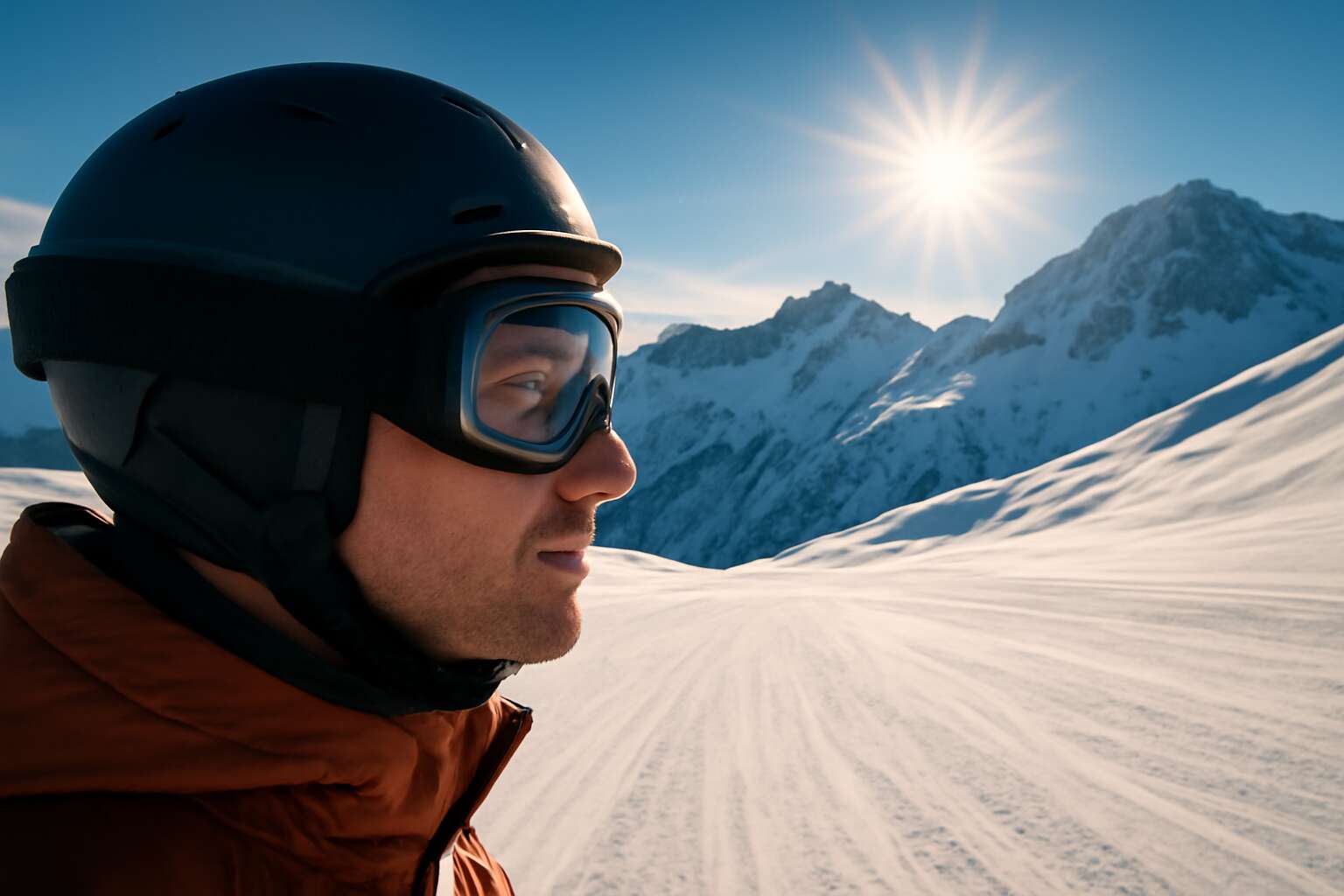
Choosing eyewear for skiing: prescription glasses vs ski goggles
Overview of vision correction on the slopes
On a bright SA winter morning, vision shapes every glide. The snow glints like glass and the line ahead only clears when the eyes see clearly. A veteran guide likes to say, “Clear vision is safety and speed on the slopes,” and that punchy truth lands hard on a beginner and a pro alike.
Choosing eyewear for skiing often comes down to a choice between prescription glasses and skiing and ski goggles. They sit close to the eye, delivering crisp correction, but wind and rapid temperature shifts can fog or slip. Ski goggles provide a sealed shield with glare reduction and interchangeable lenses.
- Vision correction compatibility with your prescription
- Anti-fog coatings, venting, and lens tint choices
- Helmet fit, comfort, and field of view
In South Africa and its nearby highlands, the mountains—the Cradle to Afriski in Lesotho—offer bright sun and crisp air, turning eyewear into a trusted companion from dawn patrol to last run.
When to choose prescription glasses vs ski goggles
Bright winter sun over South Africa’s highlands sharpens the line and, with it, the glare sharpens the mind. The choice between prescription glasses and skiing and ski goggles is more than style—it’s safety built into every turn. Glasses sit close and correct, but wind and rapid temperature swings test fit and fog resistance. Goggles seal the eye area, slice glare, and swap lenses for different light.
Key considerations include:
- How lenses work with your prescription
- Fog prevention and airflow management
- Helmet compatibility and field of view
In SA and its highland playgrounds, visibility is king from first light to last drop of snow. For long days in bright sun, the right choice supports crisp correction without compromising ventilation or helmet fit. The aim is a seamless bridge between vision and movement—so the eyes stay safe, and the line stays true.
Compatibility with helmets and face masks
On bright dawns in SA’s highland playgrounds, glare can sharpen the line as surely as mountain air sharpens the breath. In testing runs, nearly 6 in 10 skiers say glare influences every turn, making the right eyewear feel like a tactical advantage.
Compatibility with helmets and face masks isn’t an afterthought—it’s the hinge on which safety turns. I watch how lenses, seals, and temple grips align with a helmet’s ridge and a mask’s perimeter, ensuring steady sight and comfortable wear in high-speed gusts.
- Helmet compatibility: wider frames and strap clearance
- Face mask compatibility: seal without fog intrusion
- Ventilation: airflow to reduce fog
- Lens swapping: fast transition for changing light
For many, the crossroads of prescription glasses and skiing is a quiet pact between clarity and cadence—where correction meets motion and every run remains true.
Durability and care for winter eyewear
South Africa’s winter playgrounds meet the eye with a stubborn glare that folds into every turn. In a recent slice of piste psychology, six in ten skiers report that light shifts steer more than their feet. Between correction and cadence lies a choice: prescription glasses and skiing can feel like a quiet pact, balancing vision with velocity!
Durability and care matter as much as fit, because the slope tests every seam and seal.
- Material durability under cold winds and flex
- Anti-fog and scratch-resistant coatings
- Practical maintenance and safe storage of eyewear
In the end, choosing eyewear isn’t only a gear decision; it’s an attitude I recognize on every lift, toward clarity, safety, and the courage to move with the truth of light, even when the mountain asks more!
Lens types and correction for winter sports
Single vision versus progressive lenses for skiing
Snowlight spills along the collar of the mountain, and the right lens type can turn hesitation into flow. In the realm of prescription glasses and skiing, single-vision lenses offer a crisp, unwavering distance view—perfect for reading the slope and timing a turn. Progressive lenses, when sport-optimized, fuse distance with intermediate and near zones in one slender design, reducing the need to swap frames on the chairlift.
- Single-vision: crisp distance focus with fast adaptation on fast runs
- Progressive: seamless vision from far to near for lift rides and après-slope notes
Whichever path you choose, ensure the lenses carry a robust anti-fog treatment, strong UV protection, and helmet compatibility, so your gaze stays true to the mountain, a companion in prescription glasses and skiing.
Lens materials and coatings optimized for cold and glare
On winter runs here in South Africa, lens choice can feel like choosing a line in fresh powder. For prescription glasses and skiing, the right materials and coatings matter as much as the prescription itself.
Single-vision lenses offer crisp distance focus, ideal for tracking speed and timing on the slope; sport-optimized progressives blend distance, intermediate, and near without swapping frames.
- Polycarbonate or Trivex for impact resistance and lightness
- Polarized or mirror coatings to cut glare off ice and snow
- Photochromic or tinted options to adapt to changing light
- Hard coatings for scratch resistance in harsh alpine conditions
Together, lens type, material, and coatings create a package that stays reliable as temperatures plummet and light shifts.
Tint levels, photochromic options, and color enhancements
Visibility on the snow is a currency you can’t counterfeit. On a South African winter’s day, glare can flatten contrast faster than a gnarly black run—unless your lenses are tuned. For prescription glasses and skiing, the right tint levels are part of the equipment kit, not a fashion statement.
Tint levels range from light to dark, adapting to cloud cover and sun angle. Photochromic options step in when light shifts mid-descent, darkening as the glare intensifies. If you want a little zing, color enhancements such as amber, rose, or copper push edges and depth, helping you pick out bumps and ice.
- Amber/copper for frost and ice-rich terrain
- Rose for flat light and subtle contrast
- Gray or brown for true color perception in bright sun
All these choices weave together with prescription glasses and skiing to keep you confident from lift line to exit gate.
Anti fog strategies and lens cleaning
Clarity on the mountain is currency you can’t counterfeit. For prescription glasses and skiing, the right lens type and correction turn a white-knuckle descent into a measured study of speed and form. Lightweight polycarbonate or high-index options reduce bulk, while wrap-around frames trap wind and preserve peripheral awareness. In bright, icy light, a subtle tint helps read the edge of a carve without distorting color vision—critical when every bump hides a trap beneath the snow.
Anti-fog strategies and lens cleaning hinge on design as much as discipline. Lenses engineered with ventilation and anti-fog coatings meet the cold head-on, while careful, consistent cleaning preserves visibility without smearing the memory of the mountain.
On South Africa’s winter slopes, sightlines shape confidence as much as technique. Maintaining clear optics slips from afterthought to philosophy, guiding you from lift line to exit gate.
Goggles, frames, and helmet compatibility
Frame fit and comfort under helmets
“Clarity is confidence on the slope,” a veteran guide told me once. On a bright day, that truth lands with a crack—wind, glare, and shadow demand more than hope. Goggles, frames, and helmet compatibility become your quietly unwavering team.”
For prescription glasses and skiing, the balance between lens shape and frame profile determines ease of wear when the wind bites and facemasks settle in close. The right combo minimizes pressure points and keeps peripheral vision open.
- Goggle seal against the brow to minimize gaps
- Frame clearance through the temple and nose bridge
- Helmet strap integration without pinching
Under helmets, frame fit and comfort emerge as the unsung measure of performance. Favor small, curved temples and soft padding over rigid edges, and you’ll notice the slope respond to you, not the other way around. Here in South Africa, with our winter resorts and reef-cold days, the nuance matters.
Prescription inserts and goggle compatibility
Clarity gets tested where wind bites and frames press. For prescription glasses and skiing, you need more than a perfect prescription; you require harmony between goggles, frames, and your helmet.
On the slope, I notice peripheral vision remains open and pressure points soften when the goggle seal hugs the brow, frames tuck neatly behind the foam, and temples curve softly. Prescription inserts and goggle compatibility whisper into place—low-profile options or dual-lens setups that kiss the nose without fighting the helmet.
- Goggle seal against the brow to minimize gaps
- Frame clearance through the temple and nose bridge
- Helmet strap integration without pinching
In South Africa’s winter, I have learned that the right combination lets you respond to the slope rather than wrestle the gear. Small, curved temples and soft padding become my quiet partners when the wind rushes and the shadows deepen.
Interchangeable lens systems for changing light conditions
On South Africa’s winter slopes, light can swing from blaze to shadow in seconds; visibility can drop by up to 60% as the sun dips. Interchangeable lens systems offer a quiet revolution for prescription glasses and skiing, letting gear harmonize rather than compete. When lenses switch with the light, the nose bridge, frames, and helmet come to a gentler consensus—clear sight without the fight.
Look for low-profile lenses that seat neatly, preserving frame clearance at temples and the nose bridge, and ensure the helmet strap remains comfortable.
- Seamless lens swaps preserve seal and field of view
- Light-tuned options for fast-changing conditions
- Helmet-friendly design that avoids pinching
Such harmony on the slope makes every turn feel more confident as shadows deepen and wind rises.
Safety, vision performance, and on-slope tips
Impact resistance and safety standards
Sight on the slopes is speed’s most loyal ally. On winter runs here in South Africa’s high passes, crisp vision and quick reflexes coexist like a well-mannered duel. A clean line of sight can shave milliseconds off a turn and avert near-misses in packed queues.
When considering prescription glasses and skiing, prioritize secure fit and impact resistance over fashion. Eyewear should withstand cold, glare, and a tumble without dislodging. Look for certifications such as ANSI Z87.1, EN166, or CE; these mark the eyewear as ready for the most unforgiving alpine choreography.
- Secure retention under a helmet with adjustable temples or a compatible strap
- Impact-resistant lenses that perform in cold weather and glare
- Easy handling for quick gear changes without compromising safety
That careful preparation keeps you present, avoiding fog, fumble, or frustration, as you carve a line down the mountain.
Depth perception and contrast in snowy terrain
On the snow, depth perception is a compass. The way light carves the surface—shadows, texture, and glare—maps distance with precision that feelings alone can’t match. In South Africa’s high passes, a crisp, consistent gaze keeps you decisive and present, turning uncertainty into elegant, controlled lines.
For prescription glasses and skiing, the trick is to balance clarity with security. Your eyewear should sit close to your face and move with you, not against you. Consider these on-slope essentials:
- Fit harmony under a helmet with adjustable temples
- Peripheral-edge geometry that preserves depth cues
- Frame design that stays stable on undulating terrain
When depth cues stay sharp, the slope reveals a landscape of confident choices and flowing turns.
Maintenance, replacements, and upgrade timing
Safety shapes every turn on a South African slope. For prescription glasses and skiing, a snug frame and sturdy lenses keep lines clean when winds surge. Helmet-compatible temples and a secure leash prevent distractions and ensure you stay in control from first light to last lift.
- Frame integrity and hinge wear
- Lens coatings durability and anti-fog
- Goggle and helmet compatibility with newer systems
Vision performance relies on sharp depth cues and glare management. For prescription glasses and skiing, clear edges, minimal distortion, and accurate color help you read snow texture and the slope ahead, turning uncertainty into confident trajectories.
On-slope tips favour gear that stays with you and preserves cues. A design that sits against the face, minimizes slip, and keeps peripheral awareness through changing light.
Maintenance, replacements, and upgrade timing should reflect use and climate. Consider lens coatings lifespan, frame wear, and goggle compatibility as you plan refresh cycles.
Buying guide and cost considerations
Insurance coverage, rebates, and pricing for sport eyewear
On the mountain, vision isn’t a luxury—it’s safety. When you consider prescription glasses and skiing, every lift ride becomes a test of clarity and confidence. The right choice blends performance with practicality, because a clear line of sight makes the difference between a clean turn and a stumble on ice.
Cost considerations and insurance coverage can shape your final package more than you expect. Here’s what to weigh:
- Insurance coverage through medical aid or personal accident plans
- Rebates and promotions from optometrists and sport eyewear brands
- Pricing tiers—from basic lenses to premium coatings, anti-fog, and photochromic options
- Warranty terms and replacement costs for frames and lenses
In South Africa, the best deals often come from selecting a frame you’ll wear off the slopes and lenses tuned for alpine glare, ensuring your vision stays steady from first light to last run.
How to evaluate optometrist recommendations for skiing
“Clear vision is safety in motion,” a seasoned alpine guide once told me. When it comes to prescription glasses and skiing, costs are more than numbers—they’re the difference between a clean line and a stumble on ice. This buying guide keeps the focus on value, fit, and future-proofing, so your alpine days stay sharp from first lift to last run, and your confidence never fades into the snow-dusted dusk.
- Start with the optometrist’s ski-specific recommendations: lens types, coatings, and frame shapes that work with helmets
- Calculate the all-in cost: base lenses, anti-fog coatings, transitions or photochromics, and potential replacements
- Check warranty terms and local SA service options for quick repairs and replacements
- Plan for ongoing care: cleaning kits, spare parts, and convenient aftercare from your provider
In South Africa, demand respects value—seek options that shield your sight on glare-filled mornings and keep your budget in balance as seasons turn.
In-store fittings vs online shopping and return policies
On South Africa’s winter mornings, 8 of 10 skiers admit fogged lenses cost more than a misread slope. When considering prescription glasses and skiing, the price tag isn’t just numbers—it’s the difference between a clean line and a stumble. This buying guide keeps the focus on value, fit, and peace of mind for the long season ahead.
In-store fittings vs online shopping and return policies deserve a clear verdict. Here’s the lay of the land:
- In-store fittings let you try frames with a helmet, test comfort, and get quick adjustments on the spot.
- Online options can nab lower prices and a wider selection, but beware sizing gaps and the terms of returns or exchanges.
Warranty, durability, and spare parts for ski eyewear
On South Africa’s winter mornings, fogged lenses sting longer than a cold wind. For prescription glasses and skiing, warranty length and spare parts availability are as crucial as the lens tint. A dependable frame means fewer mid-run adjustments and more time savoring the slope.
Buying guide considerations lean toward what lasts: sturdy hinges and reliable coatings for cold glare, plus a service network that keeps spare parts in stock. The list below highlights what to expect without jargon:
- Warranty duration and what it covers
- Spare parts availability and turnaround times
- Authorized service centers and easy returns
Ultimately, value is measured by fit, function, and the peace of mind that lasts through many winters of prescription glasses and skiing.


0 Comments