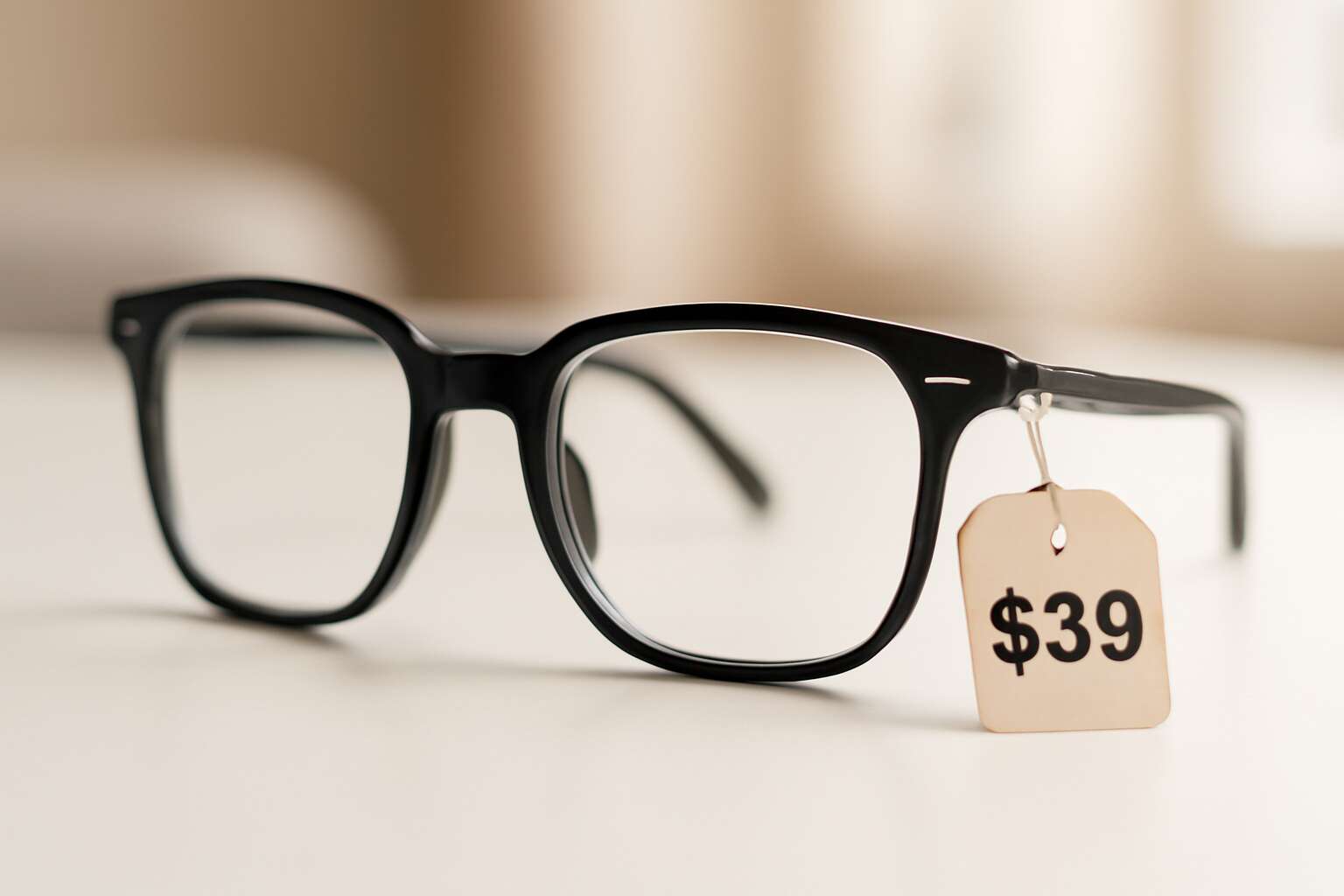
Understanding the Landscape of Prescription Glasses Without Insurance
What no insurance means for eyewear
One in five households report delaying eye care due to cost, a stubborn fact that shadows choices in South Africa. The landscape of prescription glasses no insurance is not merely about frames and lenses; it is a moral riddle about access, dignity, and the small economies that keep a life in focus. When price is the gatekeeper, preference yields to practicality.
Across cities and townships, the paths people take vary, yet they share a quiet resilience. Here are common avenues that surface in conversations and shape daily reality:
- Community clinics and NGO programs that offer subsidised eyewear
- Regional optical chains with budget-friendly frame lines
- Online retailers that provide lower-cost options and transparent lens pricing
For those navigating prescription glasses no insurance, every choice becomes a balance between quality, durability, and the price tag. The eye is a compass, and the cost attaches to it like a shadow, reminding us that care is as much a social contract as a personal purchase.
Average costs of prescription glasses without insurance
Across South Africa, many weigh the price of care against daily life, and vision often pays the heavier price. Understanding the landscape of prescription glasses no insurance reveals how costs gather into quiet, haunting patterns. The journey from frame to focal point becomes a ledger of practicality and longing, where durability meets discretion and every choice leaves a trace.
In this market, I see three broad clusters surface:
- Budget-friendly: frames around R500–R900 with basic lenses
- Mid-range: around R1,000–2,000 for sturdier frames and coatings
- Premium: R2,000–3,500+ for high-index lenses and designer frames
In this theatre of optics, the cost is a compass, guiding but never dictating the gaze.
Types of providers that cater to no-insurance shoppers
In South Africa, one in four adults delays new eyewear because the price tag lands like a heavy pen under the nose! The landscape of prescription glasses no insurance reveals who pays for clarity and who keeps staring into blur.
As demand outpaces relief, providers have learned to diversify:
- Independent optometrists and small practices
- Online retailers with try-on programs and at-home shipping
- Optical chains with clear price tiers and frequent promotions
- Community clinics and nonprofit programs that cap costs
Behind every frame, there is a choice that weighs memory against need and style against stamina. The gaze accepts risk with each decision, yet the human longing for clarity remains stubbornly intact.
Key factors to consider before buying
In South Africa, one in four adults delays new eyewear because the price tag lands like a heavy pen under the nose. Understanding the landscape of prescription glasses under budget realities means weighing value against need and the chance of clarity over compromise. The right choice blends durability, service, and a respect for what the eyes demand—consistently.
Key factors before buying include the balance between style and practicality, the reliability of the retailer, and the footprint of the service journey. For many, prescription glasses no insurance remains a pragmatic reality.
- Frame material and build quality that suits SA climates and activities
- Lens options, including UV protection and scratch resistance
- Transparency around price, fees, and returns
- Aftercare and local support for fittings and adjustments
- Delivery or pickup options that minimize delays
Common pitfalls and how to avoid them
In South Africa’s market, clarity wears a price tag that can feel like a chill on a moonlit street. Too many shoppers wait, letting vision drift, because costs arrive heavy and unyielding. I have walked that labyrinth with clients who expected miracles and found only raindrops of price relief—so the hunt for value begins with patience and a voice that asks the tough questions!
Common pitfalls to sidestep:
- Hidden fees disguised as add-ons at checkout
- Frames that look pristine but crack under SA’s dusty roads
- Lenses advertised without adequate UV protection or scratch resistance
These errors colour the journey, and their shadows linger long after checkout.
For many SA readers, prescription glasses no insurance remains a pragmatic reality—yet the horizon still glows when value, durability, and service converge in the right place. I’ve seen hopeful eyes discover durable, well-supported options that honour the eye’s demand for consistency.
Where to Find Affordable Prescription Glasses No Insurance
Discount retailers and big box options
Eyewear without bank-breaking bills? In South Africa, you can snag stylish frames without the sticker shock. A recent industry snapshot shows nearly 40% of shoppers price-shop across retailers, proving that bargain-hunting is not a sin—it’s a sport.
To tap affordable options, target discount retailers and big-box stores that line up frame-and-lens bundles. For prescription glasses no insurance, these routes often price frames aggressively and throw in lens packages that won’t ruin your budget.
- Spec-Savers and its budget-minded outlets
- Clicks Optical and Dis-Chem Vision for in-store promotions
- Online retailers that ship to SA with bundled lens options
Smart shoppers compare coatings, warranty terms, and delivery times, then walk out with a sharp look and a wallet that doesn’t groan.
Online retailers with competitive no-insurance pricing
In South Africa, bargain-hunters treat eyewear like a private treasure. Nearly 40% price-shop across retailers, and online menus respond with savings symphonies. prescription glasses no insurance is not a myth here—it’s a practical path to a sharper look without the sticker shock.
Look to online retailers that ship to SA and offer bundled lens options. I’ve watched friends snag stylish specs this way—the best sites present clear frame-lens combos with coatings, warranties, and honest delivery timelines.
- Competitive no-insurance pricing on frames and lenses
- Bundled lens options (anti-reflective coatings, blue-light filters)
- Easy returns and responsive customer support
Shopping with an eye for value means reading the fine print and choosing reputable sellers.
Local optical shops with price matching
Across SA, nearly 40% price-shop for eyewear, and you can grab real value with local price matching on prescription glasses no insurance. No insurance? No problem—it’s a bargain-hunter’s playground when shelves align with sensible policies.
Local optical shops that honor price matches, couple frames with sensible warranties, and bundle lens options (anti-reflective coatings, blue-light filters) into one tidy package, turn affordability into a genuine asset.
- Price-match guarantees with national retailers or competitors
- Warranty on frames and lenses for peace of mind
- Bundled lens options (anti-reflective coatings, blue light filters)
- Clear turnaround times and straightforward returns
With the right local options, affordability and accuracy ride shotgun, and you still look sharp.
Memberships and frame clubs for savings
Escape sticker shock. Across SA, frame clubs and membership programs are quietly making prescription glasses no insurance affordable. A growing share of shoppers—nearly 40%—turn to these options to stretch their budgets.
These clubs live in local optical shops and larger chains. They offer predictable pricing, loyalty benefits and occasional promotional bundles. In South Africa, signups pop up at your regular optometrist or budget-friendly retailers, folding frame costs into a single, clear package.
- Frame discounts bundled with simple lens upgrades
- Extended warranties and free tune-ups
- Early access to new frames and exclusive styles
Used or refurbished frames safety considerations
Across SA, four in ten shoppers chase budget-friendly eyewear. prescription glasses no insurance options are becoming mainstream, hidden in plain sight at local optometrists, discount chains and refurbished-frame storefronts. The appeal is simple: predictable prices, clean bundles, and quick fixes that don’t hinge on insurance coverage.
Look for trusted outlets that handle used or refurbished frames with care: established optical shops, certified refurbish programs, and community clinics that rotate stock. These sources often pair affordable frames with basic lens upgrades, avoiding the sticker shock of new designer frames.
Safety matters when choosing used or refurbished frames. Consider these checks:
- Frame integrity: no cracks, bent temples, or loose hinges
- Lens quality: verify prescription accuracy and coating durability
- Warranty and returns: clear policy if issues arise
- Proper fit: accurate sizing for comfort and stable glasses
For many, the mix of assurance, price and style makes vision care accessible without insurance.
Smart Shopping Strategies for Saving on Eyewear Without Insurance
Knowing your prescription to minimize add-ons
Clarity should never be a luxury, and yet the price tag often stares back with a halting glare. I’ve learned that for those navigating prescription glasses no insurance, your prescription is the compass—an honest map to minimise add-ons and keep your eyes, and your budget, aligned with beauty rather than markup.
Begin with your prescription and frame needs on paper, letting South Africa’s market reveal its truth about lenses and coatings. Keep the dialogue about price plain and unhurried, weighing value against ornamentation so you glimpse the real cost beneath the showroom glow.
In this quiet economy of clarity, the savviest move is patience—choose frames that flatter, lenses that suit, and a retailer who honours your prescription without capitalising on the pageantry of choices!
Evaluating lens options and coatings for value
A brisk temptation meets patient scrutiny when tracking the coin in a sea of frames. In South Africa’s eyewear market, the real value hides in lens choice, not glittering add-ons. For prescription glasses no insurance, the lens is the compass—an honest map to keep clarity affordable without surrendering style. A recent shopper survey reports 68% weigh price before frame style, a truth that humbles the showroom glow and lights the path toward plain-spoken value.
Consider these elements for value, not vanity:
- High-index lenses for lighter, thinner wear
- Anti-reflective coating to tame glare
- UV protection to shield daily exposure
- Scratch resistance and durable coatings
Balance upfront cost with long-term wear and you’ll glimpse the real price beneath the showroom shimmer.
Choosing durable frame materials on a budget
A recent shopper survey found 68% weigh price before frame style; in the South African market, savings that outlast trends emerge where frames meet durability. For prescription glasses no insurance, the frame is the unsung compass—a sturdy choice that reduces replacement costs and keeps daily wear comfortable. Practical shoppers weigh material resilience as a core value, not a fleeting gloss.
Durable frame materials on a budget include:
- TR90 or other high-flex thermoplastics for lightness and impact resistance
- Stainless steel with robust spring hinges for longevity
- Acetate blends engineered for scratch resistance and lasting color
Pair these with a sensible frame fit and you’ll outshine showroom shimmer without sacrificing clarity. When durability leads, prescription glasses no insurance become a steadier companion, not a monthly mystery.
Coupons, seasonal sales, and promo codes
South Africa’s eyewear market sparkles with savvy shoppers; recent data show 63% chase seasonal sales to trim costs on frames and lenses, and I see discounts turning ordinary purchases into legends.
Smart shopping strategies for saving on eyewear without insurance flow like a river through a quiet valley. For prescription glasses no insurance, bold seekers learn to read the tides of coupons, seasonal sales, and promo codes as if they were constellations.
- Coupon ecosystems and retailer policies at a glance
- Seasonal cadence and cross-brand promotions
- Bundles that balance lenses, coatings, and frame value
Prices drift, yet clarity remains a steady compass. The mind stays curious, weighing total cost, durability, and service without surrendering the dream of a stylish frame!
In the market’s chorus, every frame tells a legend of value and resilience.
Understanding return policies and warranties
Smart shopping for prescription glasses no insurance hinges on understanding what happens after you click buy. A keen eye for return windows and warranty terms often saves more cash than a flash sale. The moment you shop, flag the policy as you would an unfamiliar passport stamp—you’ll thank yourself later.
Return policies to weigh (and yes, these belong in your pre-purchase notes):
- Return window length and condition requirements
- Frame warranty coverage, including accidental damage and frame color wear
- Lens warranty and coatings, plus exclusions for prescription changes
When you compare, look for transferability—online shops and local optometrists vary—and ask about service fees, repair turnaround, and whether warranties cover presets or fitting adjustments. A disciplined reader wins in this arena, keeping style intact without surrendering peace of mind.
Timing purchases to maximize promotions
In South Africa, promotions on eyewear can swing 50–60% at peak times, a reminder that price is a narrative as much as a number. For those navigating prescription glasses no insurance, timing becomes a psychology of value—the moment you sense a promotion, your impulse meets restraint, and the price feels almost deserved.
Mastery hinges on reading the cadence of the market rather than chasing the flash. Consider these contemplations:
- Promotional cadence and seasonal tides
- Value-packed bundles and service inclusions
- Warranty alignment with price swings
By choosing to observe rather than sprint, you preserve both style and budget without sacrificing peace of mind.
Alternative Coverage Options that Help with Prescription Glasses
Discount programs and healthcare savings plans
Sunset light slips through the blinds as a shopper tallies the cost of vision care: frames, lenses, coatings—often beyond reach. In South Africa, about 40% report delaying eye care due to cost, and prescription glasses no insurance remains a real obstacle. A single pair can sting pockets, yet options exist that don’t sacrifice quality for price. The right coverage mindset turns an expense into opportunity, even when traditional insurance isn’t part of the picture.
Alternative coverage options include discount programs and healthcare savings plans that soften the blow.
- Manufacturer discount programs
- Healthcare savings plans with optical benefits
- Local savings clubs and member perks
These choices blend with flexible payment terms and selective frame options to keep vision sharp without breaking the bank.
Vision discounts outside traditional insurance
In South Africa, 40% of people delay eye care because the price tag is daunting. For those navigating prescription glasses no insurance, there are bright avenues beyond traditional coverage.
Alternative coverage options soften the blow with accessible discounts and practical perks, from seasonal promos to loyalty clubs and price-matching guarantees. Bundled deals on frames and lenses can stretch budgets while maintaining quality.
- Seasonal promotions and promo codes on frames and lenses
- Price matching and value bundles that pair durability with style
- Local loyalty clubs and shop member perks for ongoing savings
These avenues complement thoughtful material choices and coatings, helping every shopper keep vision sharp without breaking the bank.
Employer, school, or community benefits that apply
Forty percent of South Africans delay eye care because the price tag bites. If you’re navigating prescription glasses no insurance, the right employer, school, or community benefits can soften the blow.
Many workplaces tuck eyewear allowances into benefits packages and offer on-site vision checks that cut out extra trips to town—cost-cutting with a wink. Schools and universities sometimes subsidize eye tests or issue vouchers for affordable frames, while community NGOs run outreach days that connect families with low-cost options across South Africa.
- Employer-sponsored eyewear allowances within the benefits package
- School vision programs and student vouchers for frames and tests
- Community initiatives and NGO partnerships offering affordable frames and screenings
Nonprofit programs and charitable assistance
Across South Africa, around 40% of people delay eye care because the price tag bites—yet charity steps in when costs blur the line between need and want. Nonprofit programs quietly restore sight for families who can’t afford eyewear, turning a daunting bill into a reachable hope.
- Lions Clubs eyeglass drives, pairing free screenings with donated frames for rural and urban communities
- University clinics and student philanthropy programs offering free tests and discounted lenses
- NGO partnerships that fund vouchers or low-cost spectacles through local partners
These pathways complement traditional options, especially for prescription glasses no insurance, providing dignity and focus in a budget-conscious landscape.
Financing and payment plans for eyewear
Across South Africa, about 30% of adults postpone eye exams because the price tag bites—a quiet crisis that makes sight a luxury for many families. Yet a spectrum of alternative coverage options is reshaping the landscape, offering relief without sacrificing quality!
Retailers and clinics now offer flexible arrangements that fit a budget without the insurance hoops. Here are paths that align with prescription glasses no insurance:
- No-interest payment plans with monthly installments
- Layaway or subscription-style payment options
- Buy-now-pay-later (BNPL) programs
- Care vouchers and nonprofit partner credits
For many readers navigating prescription glasses no insurance, these options pair with transparent pricing and local partnerships to unlock access without compromising care.
From in-store promotions to nonprofit vouchers, the market continues to evolve, turning affordability into a companion for every glance.
How to verify eligibility and use discounts ethically
Across South Africa, about 30% of adults postpone eye exams because the price tag bites, a quiet crisis that makes sight feel like a luxury. Yet the market is quietly expanding the runway for affordable vision—where prescription glasses no insurance doesn’t have to mean compromise. Flexible options are showing up in SA clinics and stores, designed to protect quality while easing monthly budgets.
Alternative coverage options in SA include promotions, partner vouchers, and community programmes designed to keep quality affordable. Retailers and clinics test transparent pricing and local collaborations that cut out-of-pocket costs without sacrificing lens quality or aftercare. Clarity is key—know what’s included and what counts toward your total.
Ethical use means asking questions, reading terms, and keeping receipts handy. Verify eligibility with the provider and ensure vouchers are valid for your prescription. When done honestly, these pathways expand access while protecting standards of care.
Practical Guide to Maintain and Extend Lifespan of No Insurance Glasses
Daily care routines to prevent damage and keep lenses clear
In South Africa, more than one in three adults delay eye care because of cost. For readers navigating prescription glasses no insurance, daily care becomes a quiet enchantment—shielding lenses from chaos, preserving the magic of sight. A tiny ritual now can spare big bills later and keep vision crisp.
These rituals are quiet curses-and-answers: treat frames with care, keep coatings clean with soft fabrics, and respect the mornings when light finds its rightful path.
A nightly vigil—anoint the frames with care and whisper thanks to the guardians of your gaze—reminds us that steadfast, crystal-clear vision travels with mindful stewardship.
DIY adjustments versus professional service
Across South Africa, a striking 1 in 3 adults delay eye care because costs mount up. For readers navigating prescription glasses no insurance, every small choice matters—careful handling, gentle cleaning, and mindful wear can protect both lenses and frames when budget is tight.
- The balance between at-home tweaks and professional service, considering warranty implications and lens integrity.
- Frame handling and cleaning with proper fabrics, to preserve coatings.
- Appreciating when expert alignment, lens replacement, or coating checks may be warranted to extend life.
DIY adjustments carry charm and risk alike; a silent choice between self-help and pro care shapes every mile you travel with clear sight. Frugal habits, steady maintenance, and clear expectations keep value high in a landscape of no insurance pressures.
Repair versus replace decision framework
Across South Africa, a poignant fact buffets our towns: 1 in 3 adults delay eye care because costs mount up. For readers navigating prescription glasses no insurance, careful handling, gentle cleaning, and mindful wear can protect lenses and frames when money is tight.
A practical framework for repair versus replace centers on three anchors: frame health, lens integrity, and coatings. If hinges feel jittery or a frame edge shows stress, repair may buy time; if coatings peel or the prescription has shifted, replacement often wins in the long run.
- Frame health: assess warping, looseness, and hinge function without forcing moves.
- Lens integrity and coatings: watch for scratches, delamination, and hazy edges that distort vision.
- Cost trajectory: weigh current repair costs against a future replacement and lens upgrades.
With patience and a clear-eyed budget, you balance care now with what comes next.
Protective accessories and proper storage tips
Across South Africa, one in three adults delay eye care as costs rise. For readers navigating prescription glasses no insurance, guarding what you have becomes a quiet, constant battle—yet small, deliberate habits can extend lifespan and clarity without draining money.
Protective accessories aren’t luxury; they are lightweight guardians that reshape wear into a calmer routine. They remind us that lenses deserve respect and frames crave shelter from the daily grind, almost like a guardian spirit watching over your pockets and vision.
Proper storage considerations shield lenses from heat, dust, and pressure, and encourage keeping them in a safe place when unused. When kept under mindful conditions, that reality can continue to serve with steady clarity.
When to upgrade and how to budget effectively
In South Africa, a third of adults delay eye care as costs rise, letting vision drift like fog. Clarity remains possible, though, when intention guides every cleaning and careful storage decision.
For readers navigating prescription glasses no insurance, maintenance becomes a ritual rather than a gamble. Lenses deserve mindful care, stored safely and kept from heat and dust. Small, steady habits shield vision and wallet from wear.
- Set a monthly upgrade fund and target a realistic price range.
- Shop across local shops and online retailers to compare warranties and coatings.
- Prioritize repairs and frame durability to stretch each pair’s life.
I think upgrade timing should feel ceremonial: when lenses scratch beyond repair or distortion returns, plan the switch. Budget deftly: allot a small monthly amount, compare no-insurance options, and lean on warranties.



0 Comments