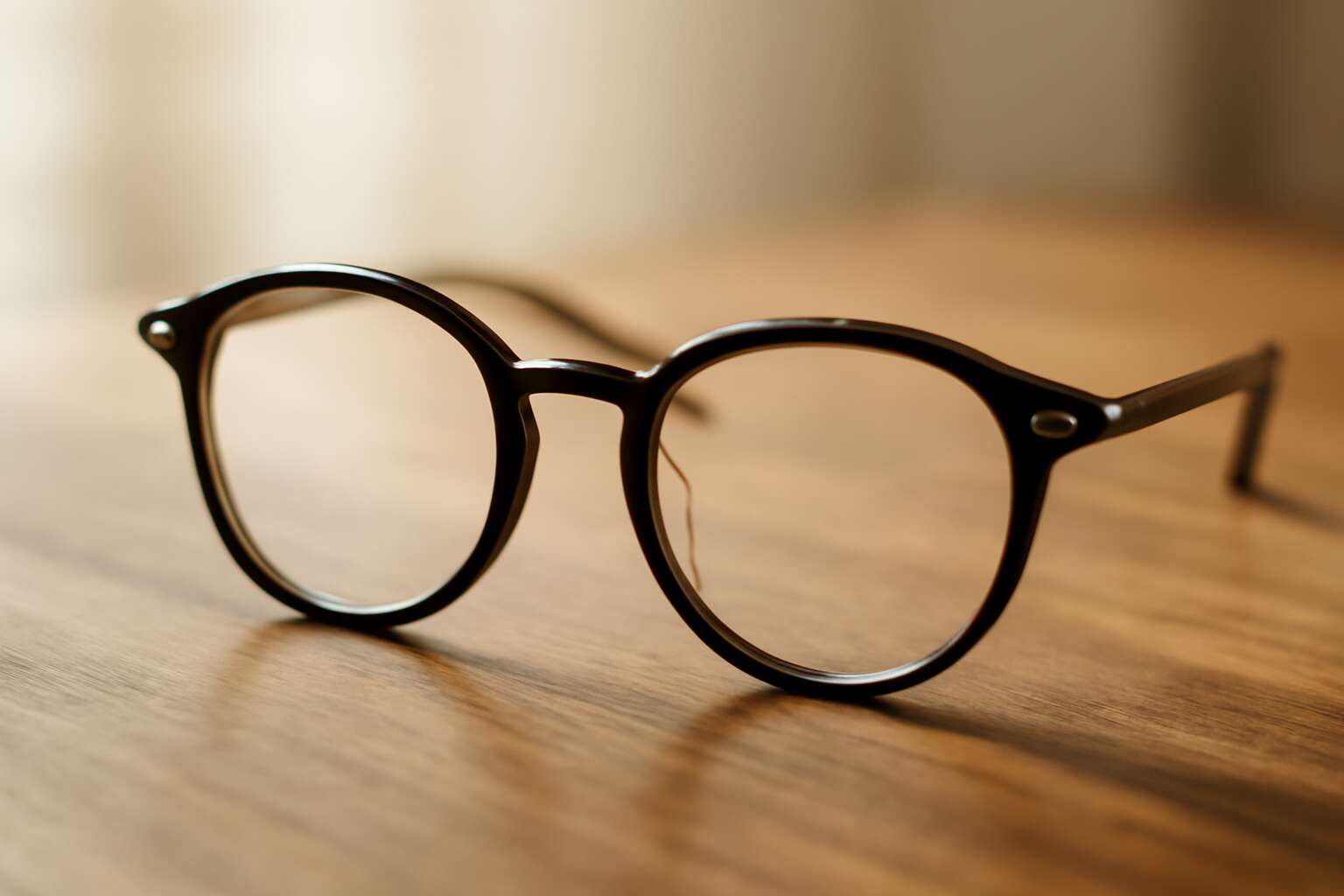
Frame selection for prescription eyewear
Choosing frames to balance style and weight with prescription lenses
Frames are more than a border; they are a daily negotiation between need and aspiration. In frame selection for prescription eyewear, prescription glasses or lenses must balance weight and style. The right pairing makes hours of wear effortless.
Material choice matters: titanium for strength without heft, or premium acetate for warmth and personality. Shapes should flatter features while reducing lens edge thickness; lighter frames often balance heavier lenses with grace. Add coatings such as anti-reflective and UV to preserve colour fidelity in South Africa’s bright days and long work hours.
Consider these elements:
- Weight distribution across temples and bridge
- Frame material and hypoallergenic properties
- Bridge fit and nose pad comfort
- Durable hinges and secure lens mounting
Ultimately, the frame must align with rhythm and daily routines, turning sight into a poised, confident presence.
Impact of frame shape on lens thickness
Frames are more than borders; they are the stage where prescription glasses or lenses meet daily life. The shape of your frames can tilt the balance between edges and elegance, subtly shifting lens thickness and comfort with every blink. “The frame is the wearable canvas for your prescription,” an optician notes, and in South Africa’s bright hours that canvas must be resilient, flattering, and precise!
Consider these shapes and their optical whispers:
- Round frames soften contours but may magnify edge thickness in strong prescriptions
- Rectangular or square designs tuck lenses closer to the face for a leaner profile
- Semi-rimless silhouettes reduce visible edge weight while preserving structure
Balance is found where form meets function: a shape that flatters, yet keeps the lens profile compact for every lift of the gaze. For long South African work days, a design that minimizes edge thickness while preserving personality is worth more than fashion alone.
Frame materials and durability for daily wear
Frame selection for prescription eyewear is not mere ornament; it is a covenant between daily grind and inner light. In South Africa’s sun-drenched hours, frames bear the brunt of long meetings, late commutes, and the tremors of a busy day. The materials and hinges you choose translate into comfort, durability, and a quiet silhouette that survives the office, the veld, and the after-hours wanderings.
For daily wear, durability must sing as loudly as style. The right frame carries prescription glasses or lenses with grace, shaping how you move through glare and shade alike. Consider these materials for enduring resilience:
- Titanium – feather-light, corrosion-resistant, and hypoallergenic for South Africa’s climate.
- Cellulose acetate – vibrant patterns, robust colourfastness, and all-day comfort behind the ears.
- Stainless steel – sturdy, budget-friendly, with forgiving hinges for daily wear.
From boardroom to street, the frame anchors your presence with steady poise, a silhouette that endures beyond the hourglass of daylight.
Sizing and fit tips for all-day comfort
In South Africa, more than half of office workers spend six hours or more each day staring at screens, and comfort isn’t a luxury—it’s a necessity. A frame that fits is a stamina coach, day in, day out.
Frame sizing should feel deliberate, not decorative. Start with your pupillary distance and a frame width that matches your cheekbone line. For prescription glasses or lenses, the alignment of the eyes to the lenses matters more than color or gloss, so consider bridge width, temple length, and adjustable nose pads as essential tools, not afterthought features.
- Nose bridge: it should sit flush without pinching or sliding.
- Temple arms: they should curve softly behind the ears without applying pressure.
- Overall width: ensure the frame sits evenly across your temples without protruding or pinching.
With this measured approach, daily wear feels less like compromise and more like an honest conversation between light and sight.
Lens options and technology for prescription eyewear
Understanding single vision, multifocal, and progressive lenses
Inside every pair of prescription glasses or lenses lies a narrative of how we see the world. A recent survey suggests wearers report crisper vision and less glare when lenses are aligned with daily rituals—from scrolling through emails to strolling along the seaside. Understanding the core options—single vision, multifocal, and progressive—helps you navigate choices with clarity and confidence!
With these concepts in mind, modern lenses fall into three main families. Here are the essentials you’ll encounter with current lens technology:
- Single-vision lenses: one focal power, ideal for a single distance such as driving or reading.
- Multifocal lenses: multiple focal zones within one lens for distance, intermediate, and near tasks.
- Progressive lenses: a seamless power gradient from top to bottom, with no visible line.
Coatings such as anti-reflective layers, blue-light filtering, and photochromic options further enhance comfort and performance, tailoring lenses to your lifestyle.
Coatings that reduce glare and protect eyes
Lens technology is the quiet engine behind every moment of clarity. A recent survey finds wearers report crisper vision and less glare when their lenses sync with daily rituals, from scrolling emails to evening strolls. Modern options—whether you need single vision, multifocal, or progressive designs—become sharper when coated and calibrated for your routine.
- Anti-reflective coating reduces glare from screens and headlights
- Blue-light filtering helps tame digital fatigue
- Photochromic options adapt to light changes
Coatings that reduce glare and protect eyes are more than cosmetic; they guard against eye strain, UV exposure, and premature wear. In South Africa, local labs tailor these finishes to climate and lifestyle, ensuring prescription glasses or lenses stay comfortable all day long.
Lens materials and their benefits for different prescriptions
Strong prescriptions can be up to 40% thinner with high-index plastics, and that changes everything for daily wear. Lens material choice matters for comfort and clarity in prescription glasses or lenses. High-index plastics can dramatically cut thickness and weight, making strong prescriptions look and feel lighter. In our climate, this matters for all-day wear, from 9-to-5 screens to evening outings.
- CR-39: affordable, light, good for mild prescriptions.
- Polycarbonate: impact resistant, ideal for kids and sports.
- High-index (1.6–1.74): thinner, lighter for strong prescriptions.
- Trivex: light, strong, clear vision.
Aspheric designs and material choices work together to minimize edge thickness and distortion. I’ve seen patients notice a real difference when their lenses switch to high-index or Trivex. Local labs in South Africa tailor materials to our climate and daily life.
Photochromic transitions and light-adaptive options
Lenses that shift with the sun feel almost mythical, turning glare into a friendly veil as you pass from shade to noon light. In South Africa, clinics report a growing embrace of photochromic transitions and light-adaptive options—tools that redraw daily comfort across changing days. “When the lens answers the light, the world looks brighter,” says a Cape Town optometrist.
- Photochromic transitions that darken outdoors and fade indoors, with dependable speed in SA’s climate.
- Light-adaptive options that switch across the spectrum, staying comfortable from cool mornings to hot afternoons.
- Polarized variants to cut glare from water, sand, screens, and bright signage.
For prescription glasses or lenses, the choice is not merely about vision but about daily rhythm—indoor calm, outdoor ease, and a shade that remains true from dawn to dusk.
Prescription health and eye care considerations
How often to update your prescription
Vision ages like fine wine—just not as forgiving. The daily glare of screens makes clarity falter, yet the cure is simple: update your prescription whenever changes appear. “Your vision is a perishable asset,” an optometrist likes to remind us, and it sticks far longer than any fashion trend. Prescription glasses or lenses should serve health as well as style.
Here are subtle signals you might need a refresh:
- Increased eye strain after long hours at the screen
- Headaches or squinting, especially in dim light
- Fluctuating clarity between near and distant tasks
Regular eye checks keep prescription glasses or lenses accurate as life shifts—from summer sun on Durban beaches to office glare in Joburg.
Reading PD, BC, and seg height: what you need to know
Across South Africa’s sunlit cities, vision should feel effortless. A recent South African optometry survey found that precise PD and seg height tailoring can reduce eye strain by up to 40%!
Reading PD, BC, and seg height are not mere numbers; they are the choreography that keeps prescription glasses or lenses centered and comfortable. PD measures the distance between pupils; BC shapes the lens edge; seg height places the reading area in progressive designs. When these readings align, distortions fade and the transition between zones stays smooth.
Optics speak softly at the nose bridge and along the temples; measured accuracy supports clarity from Durban’s coastal glare to Joburg’s office glow. In the end, this is more than optics—it’s a daily handshake with sight.
Red flags in vision health that affect eyewear choices
Across South Africa’s sunlit cities, eye strain is no small burden; a recent optometry survey found that spotting red flags in vision health can cut daily strain by up to 40%.
Prescription health and eye care considerations hinge on more than numbers. When red flags appear, your prescription glasses or lenses should address both clarity and safety—prompting a tailored approach to fit, coatings, and lens material.
- Sudden blurring or double vision
- Frequent headaches after screen work
- New floaters or flashes of light
- Persistent eye pain or redness
- Loss of vision in one eye
- Increased glare or halos around lights
These signs deserve attention from a qualified optometrist, guiding decisions that balance vision health with daily wear—because red flags today could redefine tomorrow’s eyewear needs, including how your prescription glasses or lenses are selected and cared for.
Cost, insurance, and shopping tips for eyewear
Comparing prices: frames, lenses, and add-ons
Vision is wealth, the door sighs as the shopkeeper reminds you that cost wears many faces. For eyeglass correction, prices arrive in three constellations: frames, lenses, and add-ons. Insurance often carries an optical benefit, but cover varies by plan; in South Africa, annual allowances exist, with gaps for coatings and transitions.
- Compare frame prices against lens costs to gauge true value
- Ask whether coatings, blue-light filters, or transitions are covered by your insurer
- Choose a warranty or repair option that survives the wear of daily life
Shop with a patient eye for detail: seek reputable labs, verify measurements, and weigh frame durability against weight. Whether you wear prescription glasses or lenses, the choice should marry budget with enduring comfort, not the lure of a fleeting bargain! After all, vision deserves a careful, almost ritual, investment in South Africa’s bright mornings and long nights.
Navigating insurance benefits and discounts for eyewear
In South Africa’s dawn-lit streets, the price tag on prescription glasses or lenses wears many masks—frames, lenses, add-ons, all circling like candlelight. “Vision is wealth,” the shopkeeper hums, and the total glows with a strange poetry, inviting you to weigh taste against necessity rather than chase a bargain.
Insurance carries an optical benefit, but cover varies by plan; many offer annual allowances with gaps for coatings and transitions. Weigh cost components to understand the overall value, and ask whether coatings, blue-light filters, or transitions are covered by your policy.
Shop with a patient eye for detail: seek reputable labs, verify measurements, and weigh frame durability against weight. Whether you wear prescription glasses or lenses, the choice should marry budget with enduring comfort—plus a warranty or repair plan that survives daily wear!
Online versus in-store: choosing a shopping method
In South Africa’s dawn-lit streets, the price of prescription glasses or lenses wears many masks—the frame, the lens, the add-ons. Insurance carries an optical benefit, but cover varies by plan; many schemes have annual allowances with gaps for coatings and transitions. Weigh each cost component to understand the value, and ask whether coatings, blue-light filters, or transitions are covered by your policy—balance price with lasting comfort!
- Online prices can be lower, with bundle options on lenses.
- In-store purchases offer hands-on fittings and immediate adjustments.
- Warranty and aftercare vary—check returns and repair policies.
Online versus in-store is not a debate so much as a preference for experience and service. Both paths reward clarity about delivery, frame durability, and how long the eyewear will serve you.
Warranties, guarantees, and return policies for lenses
Cost for prescription glasses or lenses arrives in layers: the frame, the lens, coatings, and add-ons. Insurance provides an optical benefit, but South Africa plans vary and often leave gaps for coatings or photochromic options. Weigh each piece against value, and ask whether coatings, blue-light filters, or transitions are covered by your policy—price should align with long-term comfort and durability.
- Duration of the warranty and what triggers it
- What is covered (manufacturing defects, peeling coatings, frame-to-lens issues)
- Return or exchange window and any fees
Look for retailers that offer straightforward aftercare and clear repair options; a fair warranty and return policy save time and money when your lenses need adjustments after delivery.
Care, maintenance, and accessories for prescription eyewear
Cleaning routines to protect coatings and lenses
A guardian routine for your sight—because a well-loved frame is a portal to clarity on a sunlit Cape afternoon. “Tiny particles wear down coatings faster than you think,” a local optometrist likes to remind clients. For many of us, that wisdom is the spark that turns care into ritual.
Care for prescription glasses or lenses centers on gentle contact and coating protection. Choose microfiber cloths and eyewear-formulated cleansers, steering clear of harsh solvents. The aim is to preserve clarity and the longevity of coatings.
- Microfiber cloths for eyewear
- Ammonia-free lens sprays
- Soft-lined protective case
- Screwdriver kit for tweaks
Storing your glasses in a soft pouch shields coatings from dust and temperature swings, and a professional check can catch loose screws before they become a problem.
Care for anti-scratch and anti-reflective coatings
Coatings are the fine armour of prescription glasses or lenses; treat them with reverence and they reveal days of clarity. “Tiny particles wear down coatings faster than you think,” a local optometrist likes to remind clients. In my practice, I see how the smallest speck of dust carves away the shine. Gentle contact, clean hands, and eyewear-formulated cleansers protect anti-scratch and anti-reflective layers for longer life.
Storage in a soft pouch shields coatings from dust and temperature swings. Here in South Africa, the dusty air makes careful storage essential. A periodic professional check nudges loose screws into line before they become a snag.
- microfiber cloths
- ammonia-free lens sprays
- soft-lined protective case
Spare parts and maintenance kits for longer-lasting eyewear
Spare parts and a compact maintenance kit are the quiet guardians of longer-lasting prescription glasses or lenses. A travel-ready set keeps hinges aligned, screws snug, and fittings secure when the day turns rough. Think tiny screwdriver, a couple of spare screws, and replacement nose pads—just in case a snag rears its head on the road.
A few essentials often populate a maintenance kit:
- spare screws in multiple sizes
- replacement nose pads
- a small jeweller’s screwdriver or precision tool
- a soft cleaning cloth for quick touch-ups
That simple cargo keeps your eyewear performing at its best, long after the first scan of the day.


0 Comments